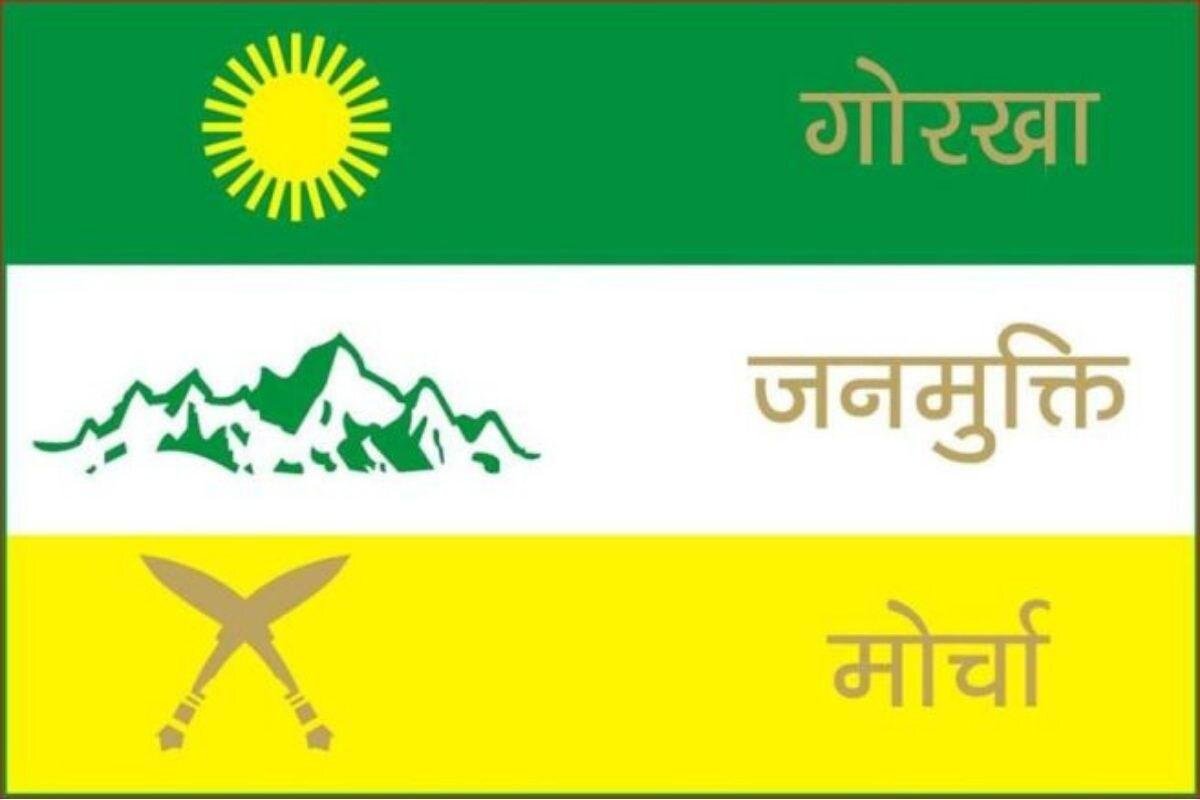

Our Objectives
GJM’s core demand is the formation of Gorkhaland as a separate state within India, encompassing the Darjeeling district (hills), parts of the Dooars (plains like Kalchini, Madarihat, and Kumargram), and select terai areas—totaling about 6,246 km² and including towns such as Darjeeling, Kalimpong, Kurseong, Mirik, Siliguri, and Jaigaon. The rationale includes:
- Historical and Cultural: Recognition of Gorkhas as Indian citizens distinct from Nepalis, with roots in British-era Gurkha regiments and post-independence integration.
- Economic: Addressing exploitation through tea plantations, tourism, and remittances, with demands for better infrastructure and revenue sharing.
- Political: Ending “misgovernance” by the West Bengal government, rejecting interim solutions like the GTA or Sixth Schedule as insufficient. The party commits to non-violent, democratic methods like bandhs, rallies, and tripartite negotiations, while also pushing for Scheduled Tribe (ST) status for 11 Gorkha communities (proposal under consideration as of July 31, 2025).
GJM was founded on October 7, 2007, by Bimal Gurung, a former councillor of the Darjeeling Gorkha Hill Council (DGHC) under the Gorkha National Liberation Front (GNLF).
GJM was founded on October 7, 2007, by Bimal Gurung, a former councillor of the Darjeeling Gorkha Hill Council (DGHC) under the Gorkha National Liberation Front (GNLF).